Almost 100% of people have antibodies after second vaccine
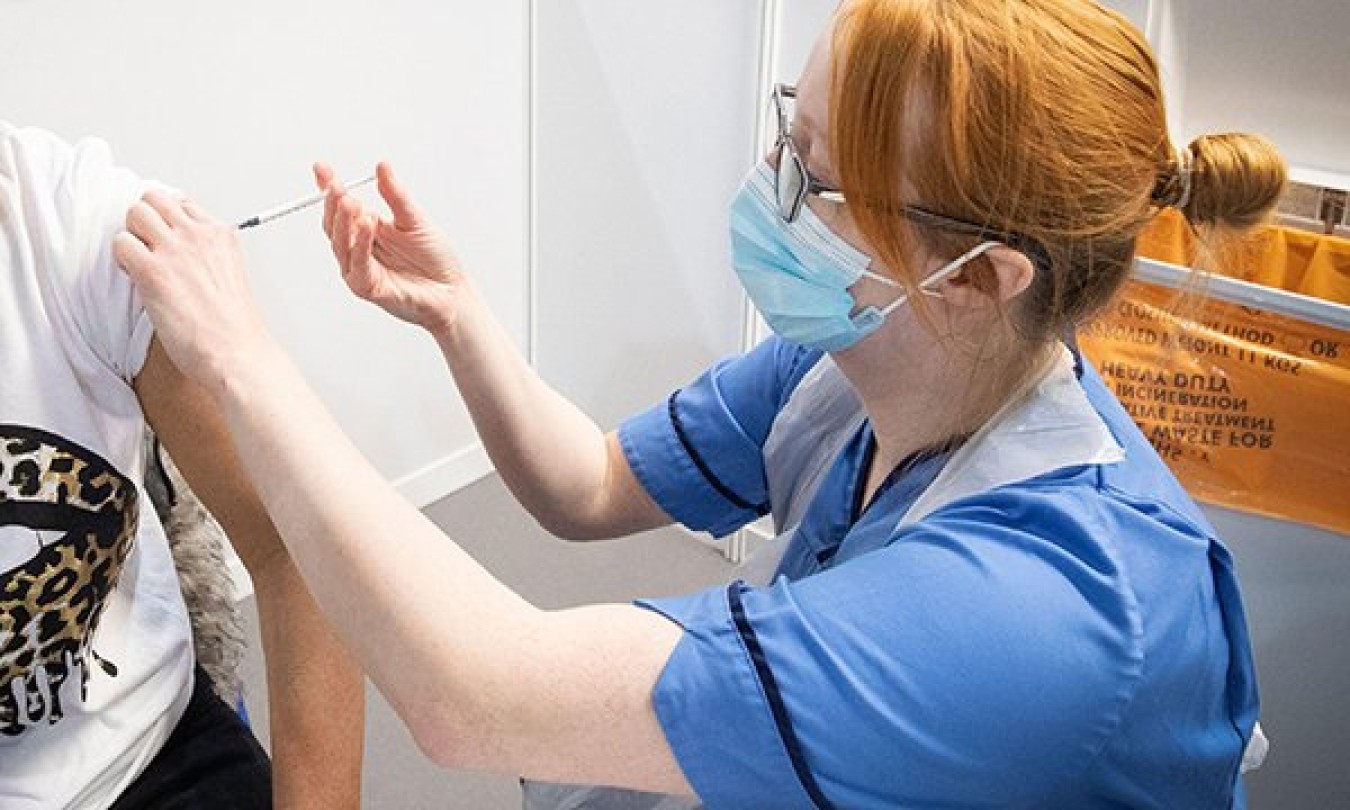
Imperial College London and Ipsos MORI have today published their latest antibody surveillance report showing, almost 100% of people tested positive for antibodies 14 days after their second dose of the Pfizer and AstraZeneca vaccine.
Over 207,337 participants tested themselves at home using a finger prick test between 12 and 25 May 2021, tracking COVID-19 antibodies across England following either natural infection or vaccination.
Following one dose of either vaccine, the proportion of people testing positive for antibodies peaked at 4-5 weeks after first dose and then started to decline before rising substantially in those who had a second dose. The findings emphasise the need for everyone to get both doses of the vaccine to receive the best chance of protection against this disease as restrictions are lifted.
Over 90% of people aged over 65 tested positive for antibodies, rising to 95% in those aged over 75 with 36% of 18-24 year olds testing positive. At the time of the report, a quarter of respondents aged 18-24 said they had received one or two jabs compared to 99% of those aged over 75.
The government’s vaccination programme has ramped up significantly since this report took place. Over half of young people aged 18 to 24 in England have now received a first dose, just a few weeks after the programme was opened to this age group, and second doses have been accelerated for all over 18s by reducing the dosing interval from 12 weeks to 8 weeks. The government is on track to offer every adult a first dose of the vaccine by 19 July and has already given two doses to two thirds of all adults.
Other findings from the study show:
- prevalence of antibodies was 30% lower in men than women. This is in part due to uptake of the vaccine as 75% of women had received at least one vaccine dose compared to 70% of men. Women also showed a higher antibody positivity after a single dose of vaccine in comparison to men;
- people in most deprived areas were least likely to have had a vaccine;
- there was higher vaccine uptake in the highest income households;
- those who work in retail, hospitality, and personal care such as hairdressing were 20 – 30% less likely to have been vaccinated than other workers;
- compared to participants reporting white ethnicity, there was a 14% higher vaccine uptake in those reporting Asian ethnicity, and a 60% lower reported uptake in people reporting Black ethnicity; and
- people who had previous COVID-19 were 40% less likely to be vaccinated than those with no history of COVID-19.