Volunteers urged to help tackle Sea Buckthorn on Sefton Coast
You may not know it, but the Sefton Coast is home to a battle that has been going on for generations. Sefton Council's John Dempsey, who is part of the Green Sefton service, goes behind the scenes and tells us all about the latest coast headlines for a regular column in the Southport Visiter.
Read his latest column below and find out more about how you can lend a hand.
The Sefton Coast with John Dempsey: Narrow window available to control invasive species
ALTHOUGHthe shortening days are only just upon us, the clock is already ticking for winter works on the Sefton Coast.
As our climate warms, the window to carry out work controlling invasive species,especially Sea Buckthorn, gets narrower each year. This is because rising temperatures mean summer migrant birds return earlier each spring and hibernating speciesincluding Sand Lizards and Natterjack Toads emerge earlier.
Whereas once Green Sefton would cutback winter growth until the end of March as per British Trust for Ornithology advisories, we now stop at the end of February to avoid causing disturbance to the wildlife that relies on our protected coastline during the breeding season.
Tick tock tick tock...
Chances to help
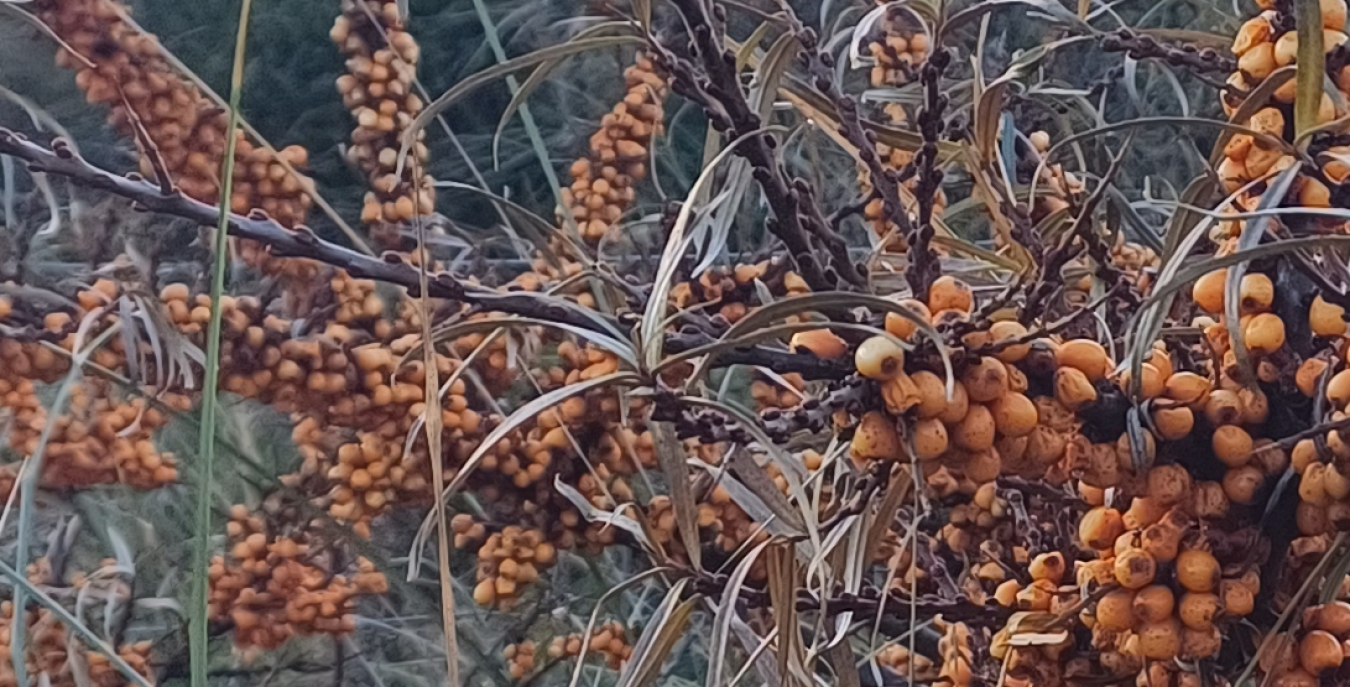
Luckily, there are plenty of opportunities for volunteers to lend a hand in the battle against invasive species on the coast too. Sea Buckthorn, introduced here in 1900, spreads rapidly shading out dune habitat and making the landscape unsuitable for the toads, lizards and a wide range of specialised flora.
The shrub also has the annoying habit of "nitrogen fixing" - drawing down nitrogen from the atmosphere and enriching the sand around it. This would be great in a garden but not in a dune system, and the damage can take years to reverse.
Birch scrub quickly covers the dune landscape too, and although a natural process, it needs managing if the dune system is to remain viable for the rare species that rely on it.
Scrubbing out the scrub
Green Sefton spends large amounts of time in the winter managing the landscape, whether through conservation grazing using English Longhorn cattle, core staff clearing mature stands of scrub or bringing in contractors under the DEFRA-funded Countryside Stewardship programme to dig out areas where the scrub is too entrenched.
Left unchecked, the natural spread of scrub vegetation would ultimately lead to the loss of the protected dune habitat across large areas.
Once, when the dunes were able to "roll back" across the landscape this would not have been a problem, but the expansion of our infrastructure and communities for more than a century means the dunes are confined to a narrowband, with no means of expansion except to the seaward. We must do all we can maintain what is left of this magnificent and threatened habitat.
Join our coast heroes
Volunteer groups have a hugely important role to play in this winter work, with the Buckthorn Bashers meeting each Thursday in winter to cut back Sea Buckthorn shoots at Ainsdale, and the volunteers of the Hightown Beach Clean Group meeting on Tuesdays to carry out similar work at Hightown. These sessions are a great opportunity to meet new folk, have fun and help the coast at the same time.
For more information, please contactgreensefton@sefton.gov.uk. We will also be carrying out Sea Buckthorn clearing with theHearth Network and Andys Man Club during November and look out for more volunteering opportunities on our social media feeds over the coming months.
It'll be spring again before you know it!