
Fly-Tippers May Soon be Forced to Clean Our Streets under New Proposals
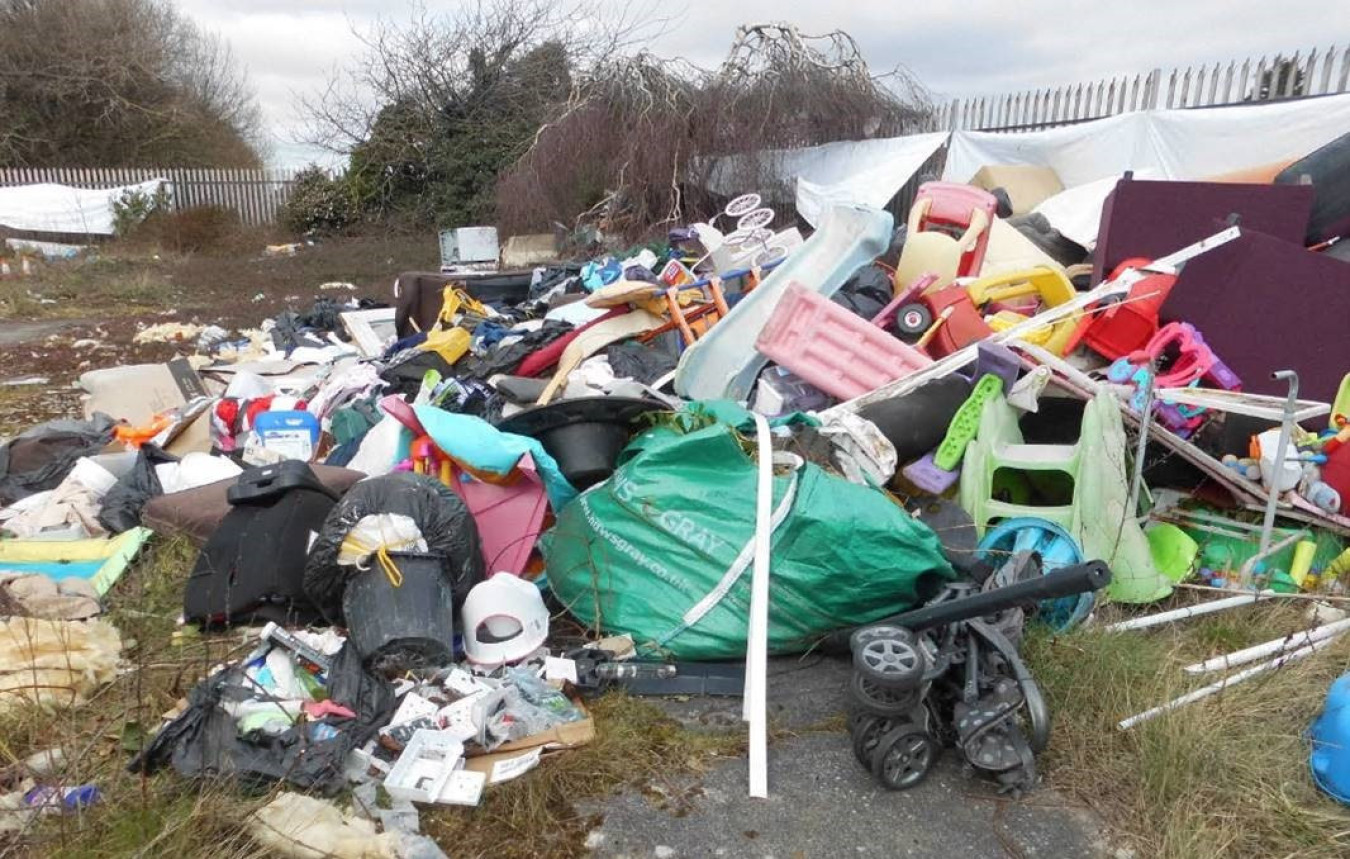
Fly-tippers and waste vandals could soon be forced to clean up our streets and parks and pay the costs of clearing their mess under new government plans for “clean up squads”.
Under the proposals, local authorities would get the powers to issue fly-tippers with so-called conditional cautions instead of being taken to court. These could see offenders complete up to 20 hours of unpaid work, cleaning our streets, parks, and the exact stops they’ve dumped waste. And in a landmark move, councils will be handed new powers to seize money directly from fly-tippers to fund their clean-up operations.
Currently fly-tippers can only be punished after being convicted – through either a significant fine, community sentence, or even prison sentence. The new proposals aim to speed up enforcement, clamp down on fly-tippers and restore pride in our communities.
The new measures will give local authorities yet another tool to fight litter louts and deter them from dumping waste in the first place. They form part of a wide range of tough new powers the government will announce as part of its new Waste Crime Action Plan.
Environment Secretary Emma Reynolds said:
If you dump rubbish on our streets, you will be joining a clean-up squad and picking up the bill, not the taxpayer.
We are clamping down on these criminals, making sure those responsible clean up and pay up. This Government is handing both the Environment Agency and local authorities the power to boost waste crime enforcement, hand out tougher sentences and tackle illegal dumping faster.
Recent statistics have shown an uptick in enforcement against fly-tippers. With local authorities carrying out 572,000 enforcement actions in 2024/25, an increase of 8% from 530,000 in 2023/24. These actions included issuing fixed penalty notices, 69,000 of which were issued in 2024/25 – an increase of 9% from 63,000 in 2023/24.
The government has already given local authorities new powers to stamp out waste crime. Alongside the £78 billion made available to council budgets in England this year, the government is encouraging councils to crush more fly-tippers’ vehicles by publishing guidance for the first time – including advice on taking cases to court and securing convictions against vehicle owners.
Whilst councils across England already have the power to seize vehicles involved in fly-tipping, councils are expected to go further – including naming and shaming those involved on social media, sharing images and videos of their vehicles being crushed, and deploying surveillance techniques, such as CCTV, drones and Automatic Number Plate Recognition to catch criminals in the act.