How to watch the 2026 solar eclipse safely in Southport and Merseyside
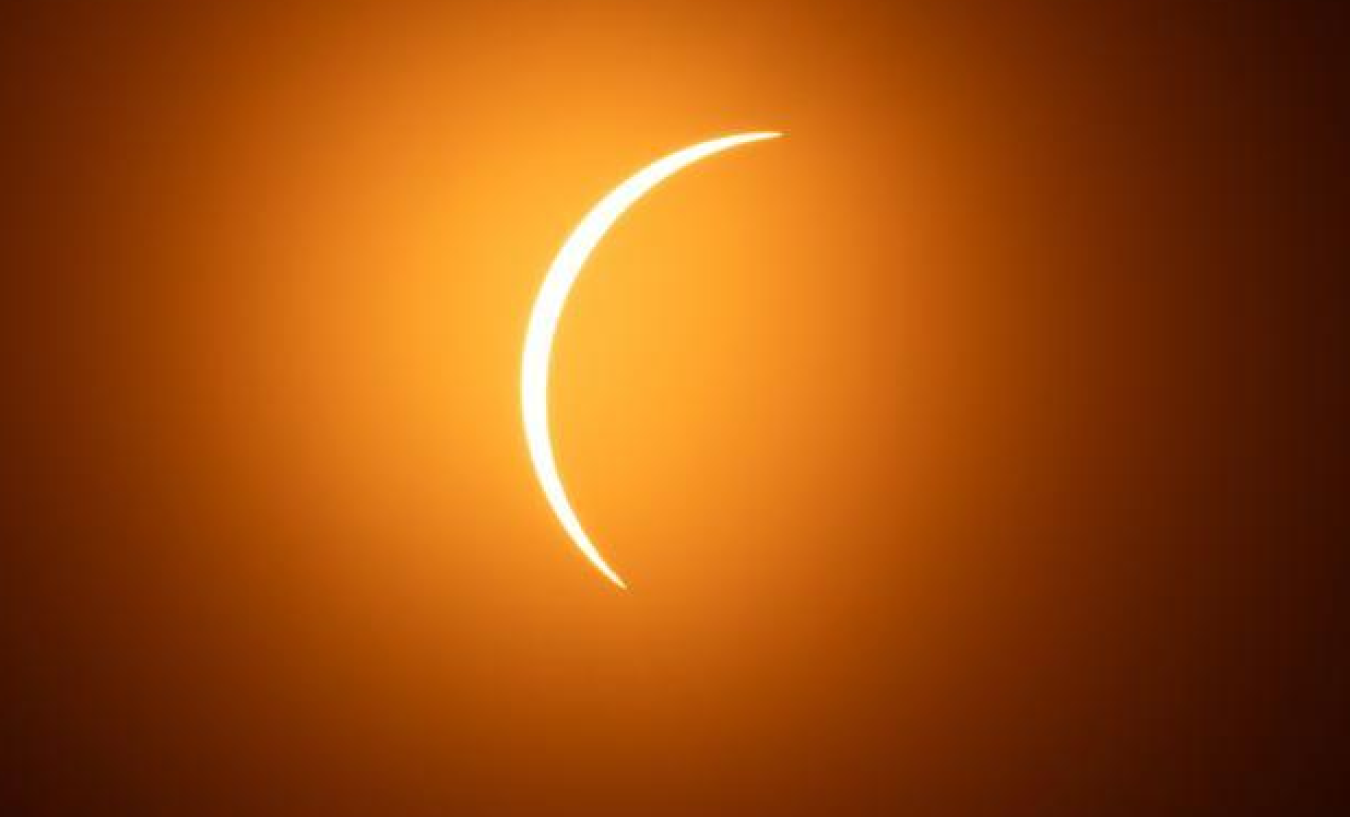
A partial solar eclipse will be visible across the UK on Wednesday 12 August 2026, including Southport and the wider Liverpool City Region.
At its peak, the Moon will cover around 90% of the Sun in the UK. This will be the most substantial solar eclipse visible from Britain and Ireland since 1999. The South West will see the greatest coverage, but people in Merseyside should still get a striking view if skies are clear.
In Liverpool, the eclipse is expected to begin at about 6.13pm, reach its maximum at around 7.10pm and end shortly after 8pm. The Sun will be low in the western sky, so viewers will need a clear view towards the west. Exact timings vary slightly by location.
The Royal Observatory Greenwich says the eclipse will be partial in the UK, meaning the Moon will not completely cover the Sun. A total eclipse will instead be visible in parts of Greenland, Iceland and northern Spain.
Why is it dangerous to look at the Sun?
An eclipse can make the Sun appear less bright, which may encourage people to look at it for longer. Reduced glare does not make the Sun safe to view. Intense sunlight can damage the retina at the back of the eye, and the injury may happen without pain or any immediate warning.
After the total solar eclipse in 1999, around 70 people were reported to have experienced vision problems. About 40% of those affected had looked at the eclipse for less than a minute.
Do sunglasses protect your eyes?
No. Ordinary sunglasses, however dark they appear, do not provide enough protection for viewing an eclipse. They reduce glare but still allow harmful solar radiation to reach the eye.
Cloud cover does not make it safe to look directly at the Sun either. If the weather is cloudy, use an indirect viewing method or watch a live broadcast instead.
How to watch safely
Anyone viewing the eclipse directly should use genuine eclipse glasses or a handheld solar viewer with filters made for solar observation. Check that the product is marked as meeting the international safety standard ISO 12312-2:2015(E).
Do not use glasses bought from an uncertain source, and do not use them if the lenses are scratched, torn or otherwise damaged. Solar viewers should never be used with binoculars, telescopes or cameras unless the equipment has a correctly fitted solar filter.
The safest option for many families is indirect viewing. You can make a simple pinhole viewer, project the Sun’s image through a colander or the gaps between leaves, or project it on to paper using a pinhole projector. Look only at the projected image, never through the hole towards the Sun.
The Royal Astronomical Society has published practical guidance on these methods. The Royal Observatory Greenwich will also provide a free online livestream from around 6.10pm on 12 August.