Parents urged to act as school flu vaccination programme gets under way
Last winter (2025-26) just 55.5% of primary school children - around 2.5 million out of a total of the 4.5 million eligible - received a flu vaccine. While uptake in all primary school-aged children, reception to year 6, was slightly up on the previous winter (54.5% for 2024-25), it was well below levels (over 60%) seen before the COVID-19 pandemic (winter of 2019 -20).
The youngest primary school aged children have been eligible for a nose-spray flu vaccine since the 2014 to 2015 season. This expanded to all primary school-aged children by the 2019 to 2020 season. Since the peak in 2020-21 (62.5%), uptake has been lower for the past several years.
Vaccination offers the best protection against flu and usually has a better immune response in children, with evidence from last year’s flu season showing strong vaccine effectiveness for school aged children, aged 2 to 17 years. The vaccine is estimated to have prevented:
52% of children from having to visit their GP; and
68% from being hospitalised
UKHSA is reminding parents of the importance of vaccination and helping to protect their children against flu; and to ensure consent forms are returned in good time so their children do not miss out when school immunisation teams visit.
Children’s flu vaccinations will start in some schools from this week and local immunisation teams will move from school to school across their region with all schools expected to have been offered sessions by late November.
As it’s not possible to vaccinate all children at the start of the campaign, getting vaccinated before the end of November will still help protect children before flu usually peaks in December and January. It’s best to get vaccinated before flu starts circulating widely.
Flu can be very serious for some younger children and puts many thousands in hospital every year. Younger children, aged 2 and 3 years, are also able to receive a flu vaccine from their GP surgery.
Making sure children are vaccinated helps to:
Protect your child against flu and serious complications such as bronchitis and pneumonia
Stop children spreading flu - protecting you, your family and friends, in particular those more vulnerable and at greater risk such as younger siblings and grandparents
Keep children in school, or accessing education if home schooled, so they can continue to learn and develop
Avoid costs - if your child gets flu, you may have to take time off work or arrange alternative childcare
And further for parents to be aware:
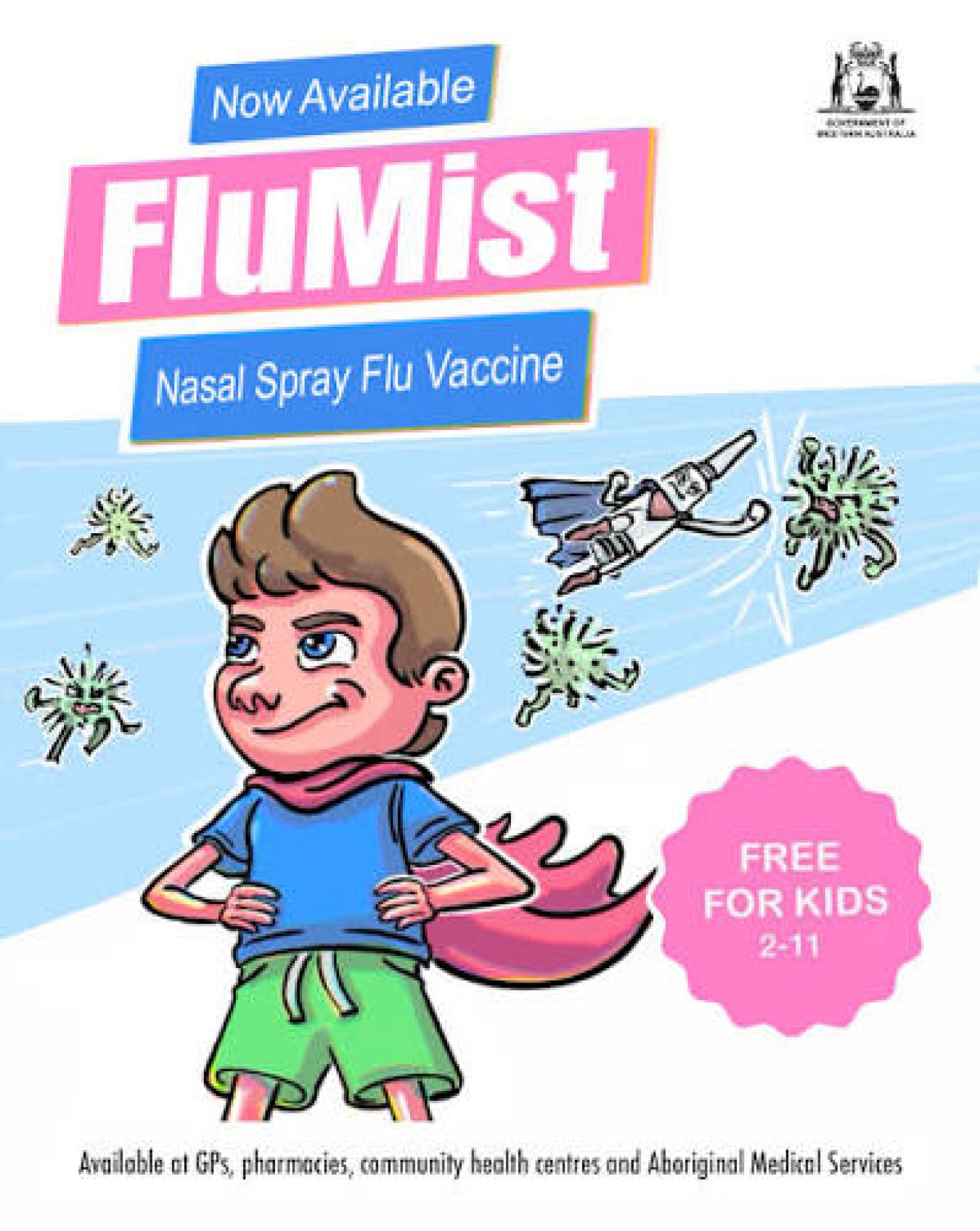
No injection is needed - most children have the nasal spray which is painless and easy. A vaccine injection is also available which does not contain gelatine from pigs
The nasal spray has been given to millions of children worldwide and has an excellent safety record
Dr Suzanna McDonald, Flu Programme Lead at the UKHSA said:
Younger children are at higher risk of developing complications from flu and being hospitalised. Ensuring children are vaccinated against flu with a painless and easy nose spray, not only helps to protect them, but also helps stop them spreading it into the wider community and to those who may be even more vulnerable, such as younger siblings and grandparents.
That is why we are so concerned that flu vaccine uptake among children in primary schools is too low and many thousands of children are unprotected. It’s vital we turn this around. This will take a concerted effort – with parents returning consent forms in good time; and our school vaccinations teams and head teachers working together to deliver the vaccine programme – helping protect children and give them the best start to thrive in school.
Children eligible for the flu vaccine include:
children aged 2 to 3 years old on 31 August in 2026
all primary school-aged children (reception to year 6)
secondary school-aged children (year 7 to year 11)
children aged 6 months and older with long-term health conditions
Dr Amanda Doyle, NHS national director for primary care and community services, said:
Flu vaccinations are a vital protection for young children which prevents them developing potentially serious complications and being admitted to hospital.
School vaccination services are working hard to protect as many children as possible ahead of winter, so we urge parents to please take up this offer of a free, painless and convenient vaccination which not only safeguards the health of your child but protects others by containing the spread of flu in the wider community.
Similar to the flu vaccine, there has been a drop in uptake of all of the routine childhood vaccinations, which protect children against a wide range of serious diseases. It is important children are up to date with all their vaccinations before starting primary school, particularly the MMRV or MMR vaccine protecting against measles, mumps, rubella and chicken pox (varicella).
High vaccine uptake is needed to help prevent outbreaks and the spread of serious infections, including measles, which is highly infectious particularly in closed environments like schools.
While children are encouraged to stay in education or childcare with symptoms such as a runny nose, sore throat or slight cough (if otherwise well and do not have a high temperature), children should stay home from school or nursery if they’re displaying the following symptoms:
If your child has a fever and is unwell, they should stay home from school or nursery until the fever has passed and they are well enough to attend
If your child has diarrhoea and/or vomiting, they should stay off school or nursery for at least 48 hours after their symptoms clear up – this will help stop the spread of stomach bugs
Encouraging good hand-washing and respiratory habits is one of the most effective ways to stop the spread of bugs; and using a tissue to catch coughs and sneezes, binning it and then washing hands will help prevent infection from spreading.