
MHRA and NFCC Issue Winter Fire Safety Warning for Emollient Cream Users
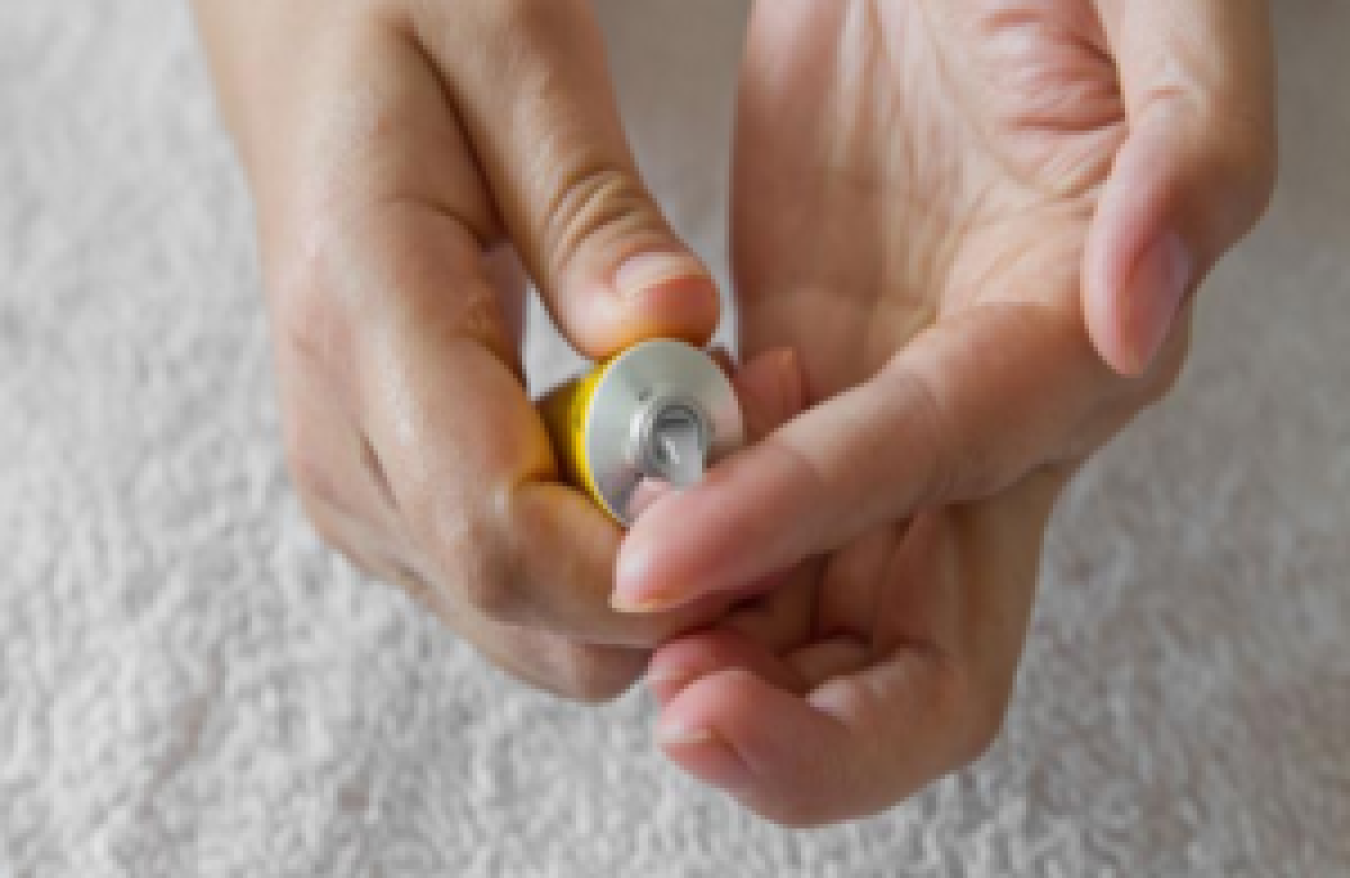
Millions of people use emollient creams to relieve dry or itchy skin during winter. While the creams themselves are not flammable, residue from them can build up on clothing, bedding, bandages and soft furnishings. This can make these materials ignite more easily and burn more rapidly if they come into contact with a flame, cigarette or close to heat sources like open fires, electric bar, gas or halogen heaters.
To help keep people safe this winter, the MHRA and NFCC are highlighting three simple precautions:
1. Keep away from flames
Avoid smoking, candles and other naked flames and open fires if fabrics have dried on emollient products. Contaminated fabrics can catch fire quickly and cause a fire to spread quickly.
2. Keep warm safely
Sit at least 1 metre away from open fires and heaters, sitting too close could set light to fabrics.
3. Wash bedding and clothing regularly
Wash items at the highest temperature recommended on the care label to help reduce cream build-up. Washing does not remove residue completely, so continued caution is important.
Catriona Blake, from the MHRA’s Safety and Surveillance team, said:
“Winter brings warmth, comfort and more time indoors – but it can also bring increased fire risk. Residues from emollient creams can make fabrics burn faster than people expect. Following a few straightforward steps can prevent fires and protect lives.”
Chris Bell, Emollient Lead at the National Fire Chiefs Council, said:
“Our crews have seen how quickly fires can escalate when skin creams are involved. We’re asking everyone – especially carers, family members and healthcare professionals – to help share this message. Keep flames and heat sources well away from contaminated fabrics, wash fabrics regularly, and follow fire safety advice. These simple actions can save lives.”
If you or a loved one uses emollient skin creams complete an online home fire safety check for advice via www.ohfsc.co.uk or find out more about the joint MHRA NFCC emollient safety campaign search Know the Fire Risk.
Notes to editors
The Medicines and Healthcare products Regulatory Agency (MHRA) is responsible for regulating all medicines and medical devices in the UK by ensuring they work and are acceptably safe. All our work is underpinned by robust and fact-based judgements to ensure that the benefits justify any risks.
The MHRA is an executive agency of the Department of Health and Social Care.
For media enquiries, please contact the newscentre@mhra.gov.uk, or call on 020 3080 7651.
The National Fire Chiefs Council (NFCC) is a charity and an independent membership association and the professional voice of the UK Fire and Rescue Service. NFCC supports fire and rescue services to help them to save lives and keep their local communities safe.